

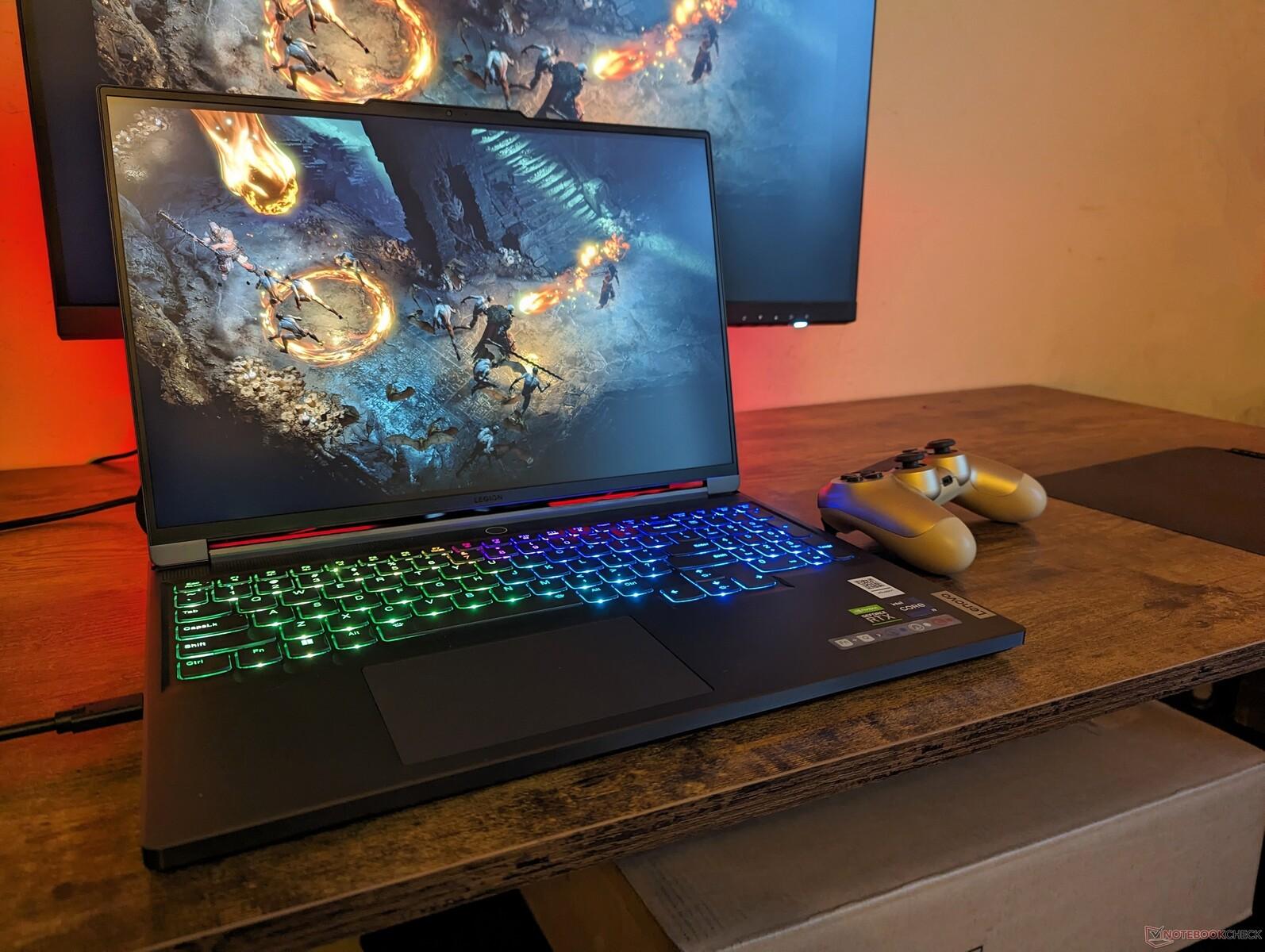
Gaming laptops, dedicated consoles and cloud gaming platforms offer very different experiences. ReviewStreet compares their features, ownership expenses, performance and practical suitability for Indian consumers.
Gaming technology has evolved considerably over the past decade.
Consumers who once had limited access to dedicated gaming hardware can now choose from a wide range of entertainment platforms.
Powerful gaming laptops, established console ecosystems and emerging cloud gaming services offer different ways to enjoy popular video games.
For Indian consumers, however, the right choice involves more than graphics quality.
Initial purchase costs, game availability, broadband performance, subscriptions, repairs and long-term usability all influence value.
A gaming laptop may be suitable for a student who also needs a computer for academic work.
A console may appeal to someone who prefers playing games on a television.
Cloud gaming can potentially provide access to demanding titles without purchasing expensive local gaming hardware, provided the necessary service and network infrastructure are available.
This comparison explains the practical differences.
What Is a Gaming Laptop?
A gaming laptop is a portable computer designed to run video games that require substantial processing and graphics capabilities.
It commonly includes a capable processor, graphics hardware, adequate memory and an enhanced cooling system.
Many gaming laptops offer high-refresh-rate displays and features designed for gaming responsiveness.
Their biggest advantage is versatility.
The same device can support assignments, professional work, video editing, coding and entertainment.
However, gaming laptops can be expensive, heavy and power-hungry.
What Is a Gaming Console?
A gaming console is a dedicated device designed primarily for interactive entertainment.
Major gaming ecosystems include Sony PlayStation, Microsoft Xbox and Nintendo.
Consoles provide interfaces, controllers and gaming environments designed for relatively straightforward use.
Developers can optimise games for known hardware configurations.
This may produce a consistent experience without requiring users to adjust numerous computer settings.
However, game libraries, subscription benefits and exclusive titles differ between platforms.
What Is Cloud Gaming?
Cloud gaming allows a game to run on a remote computer or server.
Video and audio are streamed to the player’s device, while controller or keyboard inputs are sent back to the remote system.
This reduces the requirement for powerful local graphics hardware.
However, cloud gaming depends heavily on a stable internet connection and the availability of suitable servers.
Latency, network congestion and service restrictions can affect the experience.
1. Comparing Initial Purchase Costs
Gaming laptops typically require a substantial upfront investment, particularly for models capable of running demanding games at higher graphics settings.
However, the purchase also provides a general-purpose computer.
Consoles may offer a more affordable route into dedicated gaming, especially for consumers who already own a suitable television.
Cloud gaming may require little new hardware when a compatible laptop, television or other device is already available.
Nevertheless, users may need to purchase controllers or pay ongoing subscription fees.
The lowest initial expenditure should not be confused with the lowest total ownership cost.
2. Gaming Performance
Gaming performance depends on several factors.
These include graphics capability, processor performance, cooling, display resolution and frame rate.
A powerful gaming laptop can deliver impressive results, but actual performance differs between configurations.
Two laptops using similarly branded graphics processors may perform differently because of power limits and thermal design.
Consoles offer relatively consistent hardware, allowing games to be optimised for their platforms.
Cloud gaming performance depends on remote hardware and streaming quality.
Network delay can affect responsiveness even when the remote system is powerful.
3. Gaming Laptops Offer Greater Versatility
For students and working professionals, versatility may justify the higher cost of a gaming laptop.
The device can serve as a portable workstation.
It may be used for presentations, spreadsheets, coding, design software and online meetings.
Some configurations are particularly useful for demanding academic applications.
However, buyers should not overlook portability.
Large gaming laptops may be cumbersome to carry regularly.
Battery performance during demanding gaming sessions is usually considerably lower than during light productivity.
4. Consoles Simplify the Gaming Experience
Consoles appeal to consumers who want to focus primarily on playing games.
Installation and operation are often relatively straightforward.
A controller-based interface suits living-room entertainment.
Consoles can also provide shared gaming experiences for families and friends where supported titles offer local multiplayer modes.
However, the cost of additional controllers, games and online subscriptions should be considered.
Consumers must also verify that their preferred games are available on the chosen console.
5. Cloud Gaming Reduces Hardware Dependence
Cloud gaming potentially allows consumers to experience demanding titles on less powerful devices.
This can be attractive to occasional gamers who do not want to purchase specialised hardware.
However, the experience depends on official regional availability, service pricing, game licensing and network performance.
Consumers in India should verify whether the service is officially supported locally.
A platform being available internationally does not necessarily mean identical features or performance are available in India.
6. Internet Connectivity Is Critical
Locally installed single-player games may function without continuous connectivity, depending on activation and software requirements.
Online multiplayer titles need internet access.
Cloud gaming generally requires a continuous, stable connection because gameplay is processed remotely.
Download speed is only one factor.
Latency, jitter, packet loss and server proximity influence the experience.
Even a high-bandwidth connection may provide disappointing cloud gaming performance if latency is unstable.
Consumers should test supported services on their actual internet connection where possible.
7. Which Platform Offers the Best Game Library?
The answer depends on individual preferences.
PC gaming offers access to multiple digital storefronts and many independent titles.
Console ecosystems provide their own game catalogues and selected platform-specific releases.
Cloud gaming libraries depend on commercial agreements and subscription arrangements.
Games may be added or removed from subscription catalogues.
Before purchasing, consumers should list their preferred titles and check availability on each platform.
A device is not good value if it cannot run the games the owner wants to play.
8. Subscription Costs and Hidden Expenses
Gaming subscriptions can provide access to selected libraries, online features or cloud gaming services.
However, recurring charges accumulate over time.
Additional expenses may include:
- Purchased games.
- Controllers and headsets.
- Storage expansion.
- Internet upgrades.
- Subscription renewals.
- Repairs and maintenance.
- Optional in-game purchases.
Buyers should distinguish between essential costs and optional spending.
A realistic budget should cover several years of expected usage.
9. Five-Year Gaming Cost Comparison
Consider three hypothetical gaming arrangements:
| Expense | Gaming laptop | Console | Cloud gaming |
|---|---|---|---|
| Initial hardware spending | ₹85,000 | ₹45,000 | ₹5,000 |
| Annual games/subscription expense | ₹8,000 | ₹10,000 | ₹12,000 |
| Five-year illustrative total | ₹1,25,000 | ₹95,000 | ₹65,000 |
These figures are illustrative, not verified current prices.
The cloud gaming example assumes the consumer already owns a compatible device and requires only ₹5,000 in accessories.
The comparison excludes internet service, electricity, repairs, financing, resale value and other optional purchases.
The gaming laptop also provides productivity functions that are not captured in the table.
Therefore, the figures should not be interpreted as proof that cloud gaming is universally cheaper.
10. Competitive Gaming Requires Responsiveness
Competitive gaming places considerable importance on frame rate, latency and consistent input response.
Locally rendered gaming can reduce dependence on remote streaming delays.
High-refresh-rate monitors, responsive controllers and stable network connections can improve the competitive experience.
India’s gaming community has also seen organised offline esports tournaments.
For example, SMEStreet’s coverage of the GIGABYTE and Skyesports Cafe League described a multi-city tournament involving gaming cafés and Counter-Strike 2 competitions.
Such initiatives demonstrate the continuing relevance of gaming hardware and local gaming communities alongside online platforms.
11. Casual Gaming Has Different Priorities
Not every gamer requires maximum performance.
Someone who primarily plays story-based adventures, sports titles or occasional multiplayer games may prioritise convenience.
A console can provide a comfortable television-based experience.
Cloud gaming may appeal to casual users who have suitable connectivity and compatible devices.
A gaming laptop offers additional flexibility but may not be the cheapest option for someone who rarely plays demanding titles.
Consumers should match the platform to their actual gaming habits.
12. Display Quality and Frame Rate
A gaming experience depends partly on the screen.
Important factors include resolution, refresh rate, response time and colour quality.
A high-refresh-rate display can provide smoother motion when the hardware produces sufficient frames.
Console users should check compatibility between the console and television.
Cloud gaming users should examine supported streaming resolution and frame-rate limits.
A premium display cannot compensate for inadequate processing performance or unstable streaming.
13. Portability and Travel
Gaming laptops offer a relatively portable solution for users who move between locations.
This may be useful for students living in hostels or professionals travelling frequently.
However, chargers, accessories and overall device weight influence convenience.
Consoles generally suit permanent home installations, although some gaming systems offer portable experiences.
Cloud gaming can provide additional flexibility where compatible services and reliable networks are available.
14. Upgrades and Future Compatibility
Gaming laptops may support memory and storage upgrades, depending on the model.
However, replacing integrated CPUs or graphics processors is usually impractical.
Consoles typically operate on fixed hardware platforms throughout their generations.
Cloud gaming shifts much of the hardware responsibility to service providers.
That can reduce local upgrade requirements but increases dependence on commercial subscriptions and service continuity.
15. Repairs and Maintenance
Gaming laptops contain compact systems designed to manage substantial heat.
Blocked ventilation and dust accumulation can affect temperatures and performance.
Repairs may be expensive when components are tightly integrated.
Consoles also require proper ventilation and careful handling.
Controllers can experience wear, while storage and other components may eventually require servicing.
Cloud gaming reduces the need for expensive local gaming processors but does not eliminate maintenance of the user’s devices and network equipment.
16. India’s Growing Gaming Ecosystem
Gaming in India increasingly involves technology brands, organised tournaments, content creators and online communities.
Commercial participation has helped support competitive events and the promotion of gaming equipment.
For example, SMEStreet’s report on the Zebronics and Skyesports Masters partnership examined a collaboration involving an Indian gaming-peripherals company and an esports competition.
Such partnerships illustrate the business ecosystem developing around organised gaming.
However, consumers should distinguish between professional esports requirements and the needs of ordinary home players.
A competitive tournament setup is not automatically necessary for casual entertainment.
17. Safety and Responsible Gaming
Gaming can be enjoyable, but excessive play may interfere with other responsibilities.
Players should maintain a balanced routine.
Regular breaks, appropriate posture and adequate sleep are important.
Parents should consider age ratings, communication settings and spending controls.
Online multiplayer games may expose users to unwanted messages or harassment.
Account security is also essential.
Strong passwords and multifactor authentication can help protect gaming accounts.
18. Which Platform Should You Choose?
For college students
A gaming laptop may be the most versatile option when both education and entertainment are priorities.
For families
A console can offer straightforward shared entertainment in the living room.
For competitive gamers
Suitable local hardware may provide more consistent responsiveness than remote game streaming.
For occasional players
Cloud gaming may be worth exploring when a suitable service is officially available and the internet connection performs reliably.
For content creators
A capable gaming laptop may support recording, streaming and editing workflows.
For budget-conscious consumers
The ideal choice depends on existing hardware, gaming frequency and long-term subscription expenses.
Frequently Asked Questions
Is a gaming laptop better than a console?
Not universally. A laptop offers more computing flexibility, while a console may provide simpler operation and attractive gaming value.
Is cloud gaming cheaper?
It may reduce initial hardware spending, but recurring fees and internet requirements affect long-term cost.
Can cloud gaming work on a normal laptop?
Some services support compatible ordinary laptops without dedicated graphics hardware.
Which gaming option is best for students?
A gaming laptop can combine productivity and entertainment, although cost and portability should be evaluated.
Does cloud gaming require high-speed internet?
It requires adequate bandwidth and stable connectivity. Latency and network consistency are especially important.
Can gaming laptops be upgraded?
Some support memory and storage upgrades, but CPU and GPU replacement is often impractical.
ReviewStreet Verdict
The gaming market offers different solutions for different consumers.
Gaming laptops provide versatility and portability.
Consoles offer a focused entertainment experience.
Cloud gaming can reduce hardware requirements, although it depends on reliable connectivity and suitable service availability.
Consumers should evaluate their preferred games, overall budget and intended usage before purchasing.
The best gaming platform is the one that delivers the experience you want at a cost you can comfortably sustain.
ReviewStreet Gaming Desk
Editorial note: Gaming hardware prices, subscriptions, regional availability and game libraries change. Verify current offerings before purchasing.