

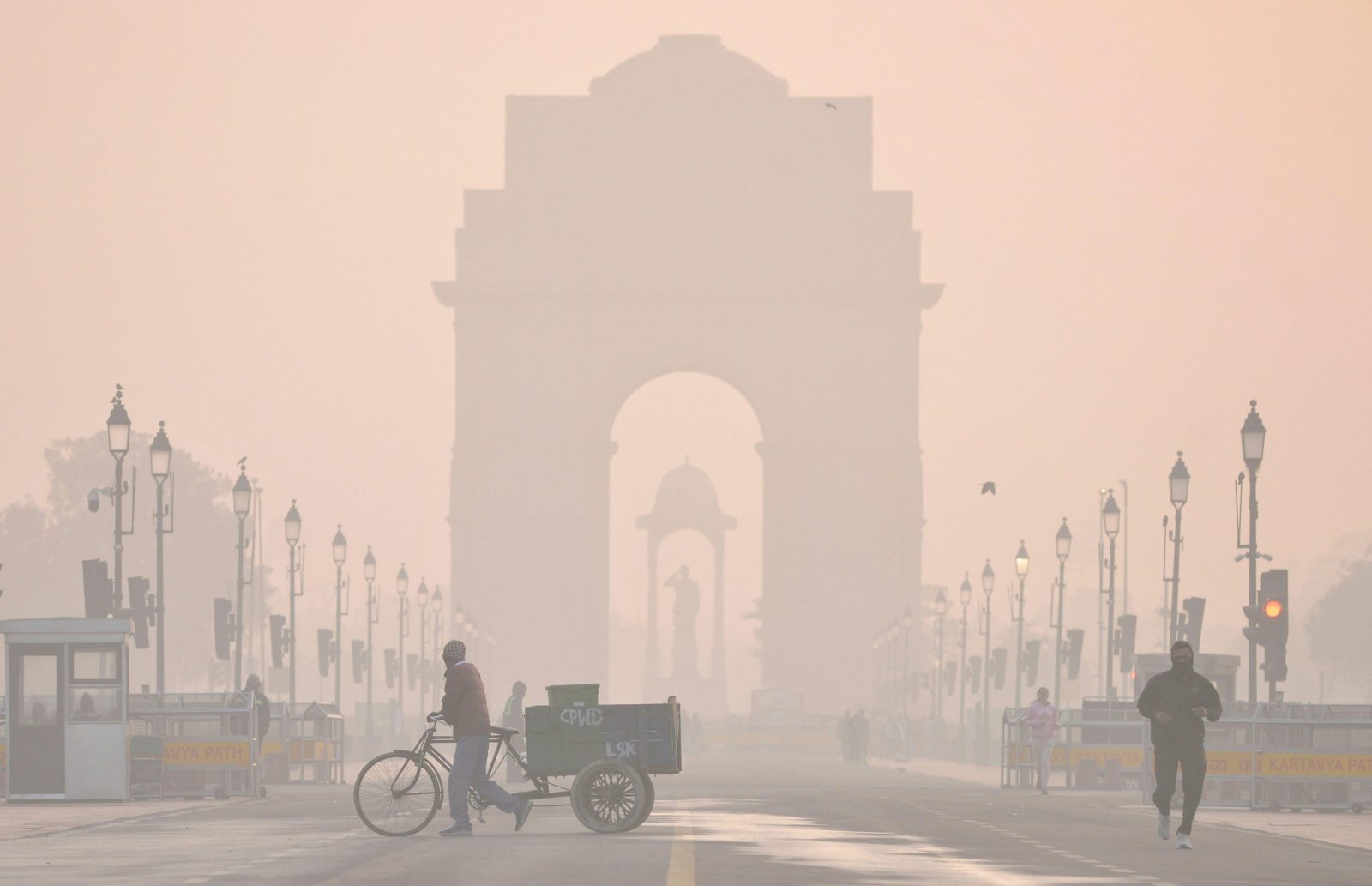
New Delhi, November 9, 2026: Air pollution is once again dominating public discussion across Delhi and the National Capital Region as winter conditions bring renewed attention to air quality, respiratory health and household protection.
Search interest in terms such as “Delhi AQI,” “AQI Noida” and “AQI Gurgaon” reflects a growing concern among residents who want to understand pollution levels and take practical precautions.
For families, the central question is no longer simply how polluted the air is. It is how to reduce everyday exposure without bringing life to a complete standstill.
Understanding AQI and Why It Matters
The Air Quality Index, or AQI, translates concentrations of different pollutants into a scale that helps people understand outdoor air conditions.
India’s AQI system categorises air quality as Good, Satisfactory, Moderately Polluted, Poor, Very Poor and Severe.
Particulate matter, particularly PM2.5, is an important concern because these extremely small particles can penetrate deep into the lungs and contribute to cardiovascular and respiratory health risks.
AQI readings change throughout the day. Residents should consult the Central Pollution Control Board or another reliable monitoring source rather than depending on outdated screenshots circulating on social media.
11 Practical Ways to Reduce Pollution Exposure
1. Check AQI Before Planning Outdoor Activities
Checking the AQI should become part of the daily routine, particularly during winter.
Morning walks, outdoor sports and children’s playtime may need adjustment when pollution levels are high.
2. Use a Well-Fitting N95 Mask
A properly fitted N95 respirator can help reduce exposure to airborne particles.
Loose cloth masks and ordinary surgical masks generally offer less reliable protection against fine particulate pollution.
A respirator must fit correctly to work effectively.
3. Keep Windows Closed During Severe Pollution Episodes
When outdoor air is particularly polluted, limiting the entry of outside air may help reduce indoor particle concentrations.
However, ventilation remains important. Households should balance outdoor pollution conditions with indoor air quality and avoid activities that generate additional pollutants.
4. Consider an Appropriate Air Purifier
A portable air purifier with an effective HEPA filter can reduce airborne particles in a suitably sized room.
Before purchasing, examine the Clean Air Delivery Rate, room-size suitability, replacement-filter availability, operating noise and long-term maintenance costs.
An expensive purifier is not necessarily the best option for every household.
5. Reduce Indoor Pollution Sources
Outdoor pollution is only one part of the problem.
Indoor smoking, incense, candles, frying, poorly vented cooking and certain cleaning activities can contribute to indoor particle levels.
Using kitchen exhaust systems and reducing unnecessary smoke-generating activities can make a meaningful difference.
6. Protect Children and Older Adults
Children, older adults and individuals with respiratory or cardiovascular conditions may be particularly vulnerable.
Parents should monitor local advisories and reconsider strenuous outdoor activities when air quality deteriorates.
Schools and families should prioritise exposure reduction without creating unnecessary alarm.
7. Avoid Heavy Exercise Outdoors During High AQI
Exercise increases breathing rates, potentially increasing the amount of polluted air inhaled.
On heavily polluted days, indoor workouts in a cleaner environment may be preferable.
8. Maintain Your Vehicle’s Cabin Filter
Drivers who spend considerable time commuting through Delhi-NCR should inspect cabin air filters and maintain vehicle ventilation systems.
During heavy pollution, recirculation mode may temporarily reduce the intake of outside pollutants, although it should not be used indefinitely without considering ventilation needs.
9. Keep Indoor Spaces Clean
Wet mopping and vacuum cleaners equipped with appropriate filtration can help manage settled dust.
Dry sweeping may resuspend particles into the air.
10. Do Not Rely on Miracle Pollution Remedies
No food, drink, supplement or household plant can reliably neutralise the health effects of severe air pollution.
A nutritious diet supports general health but does not replace reducing exposure to polluted air.
Consumers should be cautious of products claiming to detoxify the lungs or provide guaranteed pollution protection.
11. Know When to Seek Medical Attention
Persistent wheezing, unusual breathlessness, chest discomfort or worsening respiratory symptoms deserve medical attention.
Severe breathing difficulty or chest pain requires urgent assessment.
People with asthma or other established medical conditions should follow their clinician’s treatment plan.
Should You Buy an Air Purifier in 2026?
For households in highly polluted urban environments, an appropriately sized air purifier may be useful, particularly in bedrooms.
However, consumers should avoid buying solely on advertising claims.
Compare filtration performance, energy consumption, replacement-filter pricing and independent test information where available.
ReviewStreet’s Perspective
Delhi’s air pollution problem requires sustained action on emissions, transport, dust management and regional pollution sources. Individual protective measures cannot replace effective public policy.
Nevertheless, families can reduce their exposure through informed daily decisions.
The most useful pollution strategy is a combination of accurate AQI information, reduced exposure, better indoor air management and timely medical care when needed.
Frequently Asked Questions
What is a safe AQI level in India?
India classifies AQI between 0 and 50 as Good. However, even lower pollution levels are not completely risk-free for everyone.
Does an N95 mask protect against PM2.5?
A properly fitted certified N95 respirator can filter a substantial proportion of airborne particles, including fine particles.
Can air purifiers remove all pollution?
No. Effective particle filters can reduce indoor airborne particles, but they do not eliminate every pollutant or replace appropriate ventilation and source control.
Is morning walking safe during high pollution?
Outdoor exercise should be adjusted according to current air quality and individual health risks.
Where can residents check Delhi AQI?
The Central Pollution Control Board’s official air-quality resources provide monitoring information.
Editorial note: This article provides general public-health information and is not a substitute for personalised medical advice.