

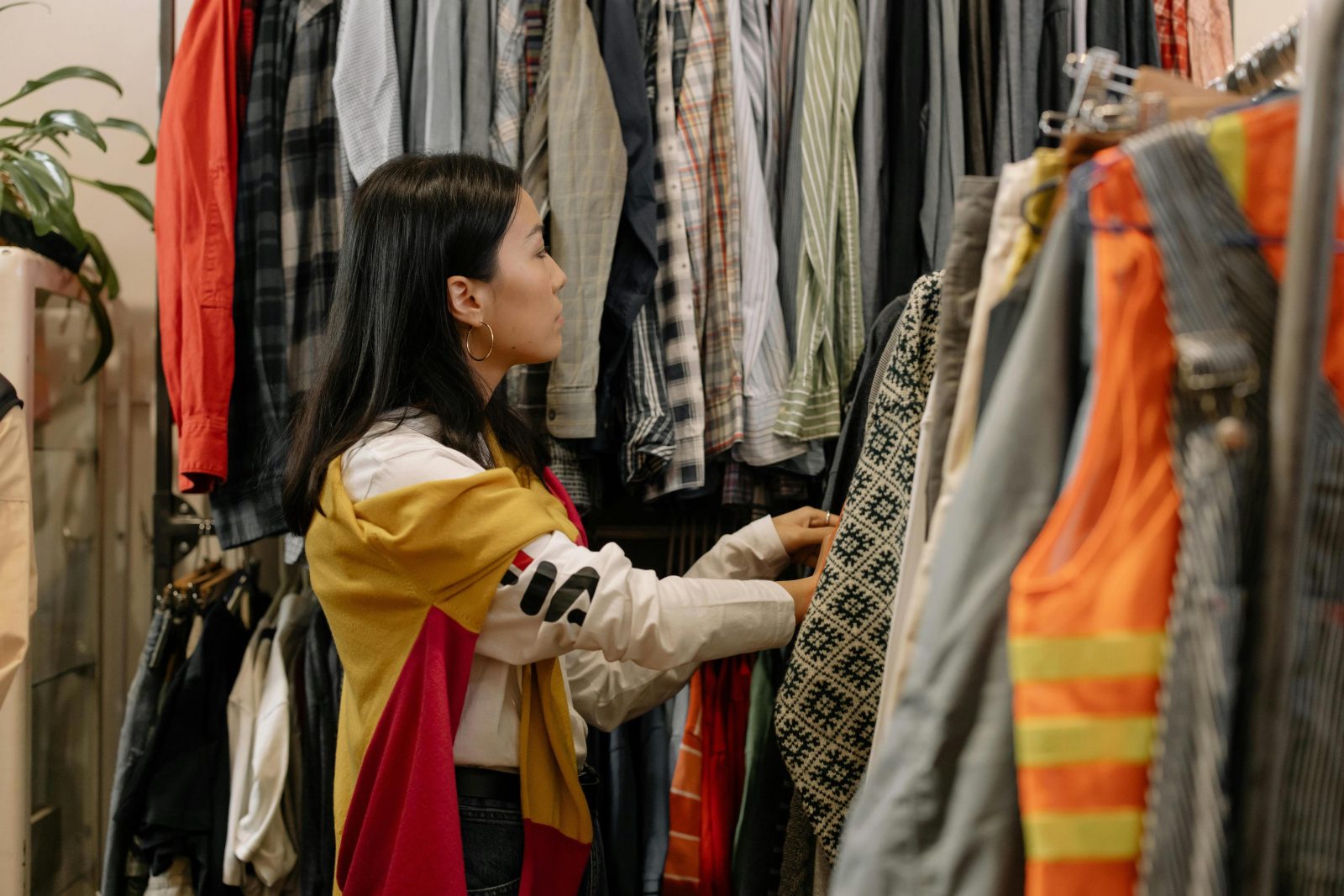
Fashion trends have traditionally encouraged consumers to purchase new clothing every season.
Changing colours, silhouettes, celebrity endorsements and promotional campaigns have created an environment in which wardrobes can become outdated long before garments reach the end of their usable lives.
However, a different shopping culture is attracting increasing attention in India.
Thrift shopping, which involves purchasing pre-owned clothing and other second-hand items, is becoming an appealing option for consumers seeking affordability, individuality and more thoughtful consumption.
The attraction extends beyond inexpensive garments.
Vintage jackets, classic denim, traditional sarees, distinctive accessories and discontinued fashion styles can provide opportunities for personal expression that are difficult to replicate through conventional retail shopping.
For younger consumers, thrifting can combine fashion discovery with budget-conscious decision-making.
Why thrift shopping is trending in India
Interest in thrift shopping has grown considerably.
Google India reported in October 2026 that searches for “thrifting” had reached an all-time high over the preceding year. Searches for “how to thrift” rose 850%, while “thrift store near me” increased 600%.
These figures reflect search interest rather than verified sales growth, but they demonstrate expanding consumer curiosity.
The growing popularity of second-hand fashion is connected with several factors.
Consumers are looking for distinctive clothing.
Students and young professionals are interested in stretching limited budgets.
Environmental awareness has encouraged conversations about garment reuse.
Social media has made vintage styling and second-hand discoveries more visible.
Together, these influences are changing perceptions of pre-owned clothing.
What exactly is thrift shopping?
Thrift shopping refers to purchasing previously owned goods, typically at prices below comparable new products.
The category can include clothing, footwear, handbags, accessories, furniture and household items.
However, thrift shopping should not be confused with purchasing counterfeit branded merchandise.
Authentic second-hand products retain their original identity and should be described accurately.
Vintage fashion is another related category.
A vintage item is generally associated with an earlier period and may be valued for its design, craftsmanship or cultural significance.
Not every second-hand garment is vintage.
Likewise, a recently manufactured item styled to look old is not necessarily an authentic vintage piece.
Understanding these distinctions helps consumers evaluate pricing and seller claims.
Why consumers are choosing pre-owned fashion
Affordability
One of the strongest attractions of thrift shopping is the possibility of purchasing useful clothing at lower prices.
A carefully selected pre-owned jacket may offer better material quality than a similarly priced new garment.
However, this is not guaranteed.
Buyers must evaluate condition, authenticity and expected lifespan.
Individuality
Mass-market fashion frequently produces similar designs in large quantities.
Thrift stores may offer garments from different periods, brands and fashion movements.
This creates opportunities to develop a more distinctive personal style.
Environmental considerations
Extending the usable life of clothing can reduce the need for new production in some circumstances.
However, the environmental benefit depends on consumer behaviour.
Purchasing excessive quantities of second-hand clothing, particularly when items are shipped long distances or rarely worn, can undermine the intended sustainability advantage.
Responsible thrifting should prioritise actual use.
Access to discontinued styles
Some clothing designs disappear from mainstream retail collections.
Second-hand markets can provide access to older silhouettes, fabrics and patterns.
This is particularly relevant for consumers interested in retro fashion.
How to begin thrift shopping
First-time thrift shoppers should approach the experience with a clear plan.
Start by identifying gaps in the existing wardrobe.
Instead of purchasing every attractive bargain, decide which categories are genuinely needed.
For example, a college student may be looking for a durable denim jacket, neutral trousers or a versatile formal shirt.
Establishing a budget helps prevent impulsive spending.
It is also useful to research typical prices for comparable new and second-hand products.
A pre-owned item is not automatically a bargain simply because it carries a thrift label.
Inspect garment quality carefully
The condition of a garment is one of the most important considerations.
Examine seams, zippers, buttons, linings and fabric surfaces.
Look for excessive pilling, discolouration, stains, unusual odours or signs of structural damage.
For knitted clothing, check for stretched areas and holes.
For jackets, inspect the lining and cuffs.
For jeans, examine the knees, pockets and inner-thigh seams.
Small defects may be repairable, but repair costs should be included in the purchasing decision.
If the garment requires professional cleaning or tailoring, calculate the total expense before buying.
Understanding fabric quality
Fabric composition influences comfort, durability and maintenance requirements.
Cotton, linen, wool, denim and synthetic blends each have different characteristics.
A natural-fibre garment may offer certain comfort advantages, but its condition and construction still matter.
Wool garments can be vulnerable to moth damage.
Delicate fabrics may require specialised cleaning.
Some synthetic materials can retain odours or develop surface wear.
Consumers should examine care labels whenever available.
Missing labels are not necessarily evidence of poor quality, but they make fabric identification and maintenance more difficult.
How to find your correct size
Sizing can be inconsistent across brands, countries and manufacturing periods.
Vintage garments may follow older sizing conventions.
A labelled medium from one brand may fit differently from another.
Therefore, shoppers should prioritise actual measurements.
Important measurements include chest, shoulder width, waist, hip, inseam and garment length.
Online thrift sellers should ideally provide measurements in centimetres or inches.
Buyers should compare these with a similar garment they already own.
For items that cannot be returned, measurement verification becomes especially important.
Is online thrift shopping reliable?
Online thrift stores offer convenience and access to wider selections.
However, they also introduce risks.
Product photographs may not accurately reveal fabric condition.
Lighting and editing can influence colour appearance.
Sellers may provide incomplete information about defects.
Before purchasing, request clear photographs showing the front, back, labels and any visible damage.
Read the seller’s return and refund policy.
Check whether customer feedback appears credible and whether contact details are available.
Avoid making payments through suspicious links or unverified accounts.
How to identify counterfeit branded products
Luxury and premium fashion labels often attract counterfeit sellers.
A low price does not automatically establish that a product is fake, but unusually attractive offers deserve scrutiny.
Examine logos, stitching, hardware, serial information and manufacturing labels where applicable.
Authenticity assessments should consider the specific brand and product category.
Some sellers may offer authentication documentation, but buyers should understand its reliability and limitations.
If authenticity cannot be established, avoid paying a premium based on a brand claim.
Building a thrift wardrobe without overspending
The most effective thrift wardrobe is built gradually.
Start with versatile pieces that work across multiple outfits.
Neutral trousers, denim, solid-colour shirts and practical outerwear can form a foundation.
Statement pieces can then be added selectively.
A colourful vintage jacket may become more useful when paired with clothing already owned.
Similarly, a distinctive saree or traditional accessory can be incorporated into contemporary styling.
The objective is not to accumulate unusual garments.
It is to create a functional wardrobe that reflects personal preferences.
Thrift shopping for office wear
Pre-owned clothing can be particularly useful for professionals who want to maintain a presentable wardrobe without excessive expenditure.
Formal shirts, blazers, trousers and business-casual clothing are possible categories.
However, office wear requires careful attention to fit and condition.
A poorly fitting blazer may appear less professional than a simpler garment with appropriate tailoring.
Choose fabrics that can withstand regular use and cleaning.
Consider whether alterations are practical.
Professionals interested in entrepreneurship, consumer markets and emerging retail opportunities can also explore SMEStreet’s industry coverage.
Can thrift shopping become a small business?
The growing interest in second-hand fashion may create opportunities for small entrepreneurs.
A thrift business can begin with a carefully curated inventory and a clearly defined audience.
Potential specialisations include vintage denim, office wear, traditional garments, children’s clothing or retro accessories.
However, sourcing and inventory management require discipline.
Entrepreneurs must account for cleaning, repairs, photography, packaging, delivery, returns and unsold stock.
Transparency is essential.
Every product description should clearly disclose that the item is pre-owned and identify known defects.
Selling counterfeit products as genuine branded merchandise can create legal and reputational risks.
A trustworthy thrift business should compete through curation, honest descriptions and dependable customer service.
Hygiene and cleaning considerations
Pre-owned clothing should be cleaned appropriately before use.
Cleaning methods depend on fabric type and garment construction.
Machine washing may be suitable for some items, while delicate garments require hand washing or professional care.
Footwear and accessories need separate consideration.
Consumers should avoid purchasing items that cannot be adequately cleaned or that show signs of contamination.
Where hygiene is difficult to verify, purchasing new may be the more sensible option.
Is thrift shopping always sustainable?
Thrifting can contribute to more responsible consumption, but sustainability is not guaranteed.
Buying second-hand garments that remain unused does little to reduce overall consumption.
Similarly, repeatedly replacing thrift purchases can reproduce the same wasteful habits associated with fast fashion.
A practical sustainability test is to ask whether the item will be worn regularly.
Repairing existing clothing, exchanging garments and purchasing fewer but more durable products can complement thrift shopping.
Frequently asked questions
What does thrift shopping mean?
It means purchasing previously owned goods, usually at a lower price than comparable new items.
Is thrift shopping legal in India?
Generally, buying and selling lawful second-hand clothing is permitted, subject to applicable consumer, tax and business requirements.
Are thrift clothes hygienic?
They can be used safely when properly inspected and cleaned, although condition varies.
Is thrift shopping cheaper than regular shopping?
Often, but not always. Vintage rarity, branding and seller pricing can make certain items expensive.
Can thrift shopping help the environment?
It can support garment reuse and reduce demand for new products when it replaces purchases that would otherwise have occurred.
Conclusion
Thrift shopping represents more than a passing fashion trend.
It reflects growing interest in affordability, individuality and alternative consumption habits.
For Indian consumers, the opportunity is to build useful wardrobes while exploring styles that conventional retailers may no longer offer.
The best thrift purchases combine genuine value, appropriate fit, acceptable condition and regular use.
Ultimately, responsible fashion is not defined by whether clothing is new or pre-owned. It is defined by how thoughtfully it is selected, maintained and used.