

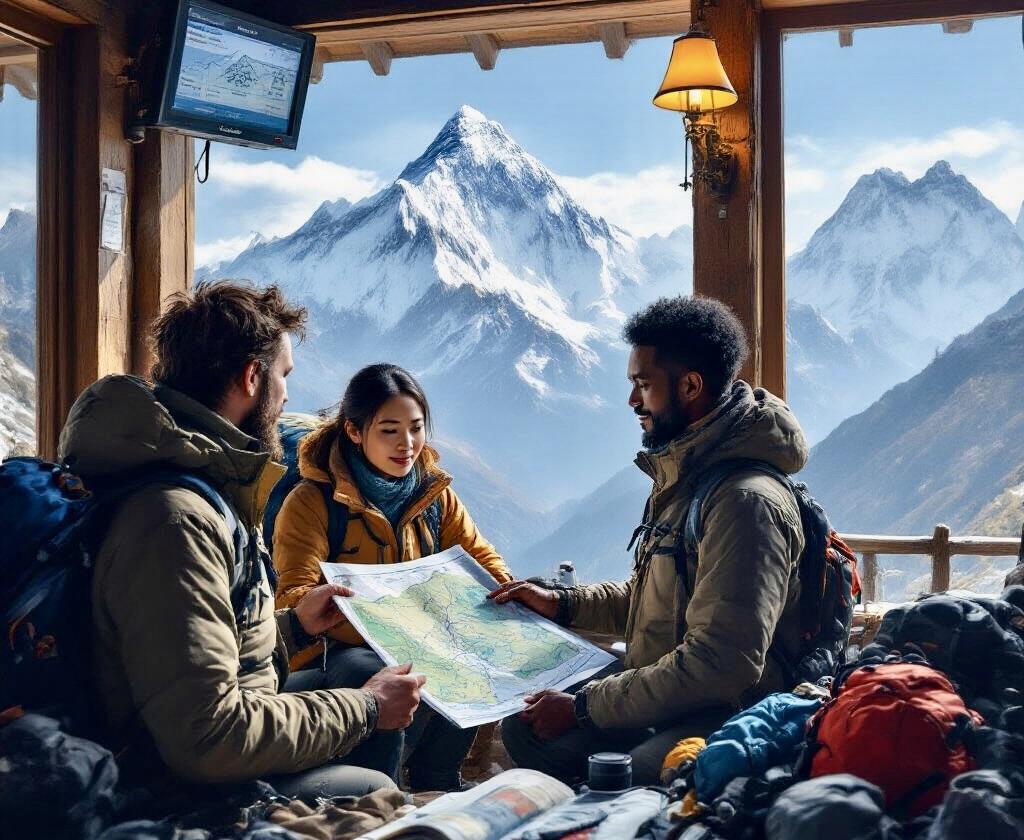
Winter is among the most attractive seasons for travel across many parts of India.
Cooler temperatures, mountain landscapes, cultural festivals and year-end holidays encourage families, couples and groups of friends to explore new destinations.
For some travellers, winter means snow-covered mountains and quiet hillside accommodation.
For others, it offers an opportunity to visit heritage cities, wildlife destinations, beaches or international locations where the weather is more comfortable.
However, a successful winter holiday requires more than selecting an appealing destination.
Travel costs, weather uncertainty, accommodation availability, transport connections and health considerations can influence the experience.
A well-planned holiday should balance enjoyment with practical preparation.
Why travel planning is becoming more research-intensive
Indian travellers increasingly use digital platforms to compare destinations, examine accommodation and evaluate travel experiences.
Google and Kantar research published in Google’s India travel insights found that search engines and video platforms played major roles in travel discovery and planning. The research also indicated that many travellers used multiple information sources before making bookings.
This behaviour reflects the complexity of modern travel decisions.
A destination may look attractive in photographs but involve difficult road access, unpredictable weather or expensive peak-season accommodation.
Independent research can help travellers identify these issues before committing money.
Choose the right winter destination
The first decision should be based on the type of holiday desired.
Travellers seeking snow may consider Himalayan destinations, subject to seasonal conditions and accessibility.
Those interested in comfortable sightseeing weather may prefer cities in Rajasthan or other heritage destinations.
Beach-oriented travellers may explore coastal locations.
Nature enthusiasts may consider wildlife reserves or quieter countryside destinations.
International travellers should evaluate climate, visa requirements, flight availability and total costs.
The most popular destination is not necessarily the best destination for every group.
A family travelling with elderly members may prioritise accessible accommodation and dependable transport.
A group of young friends may prefer outdoor activities and flexible itineraries.
Popular types of winter holidays
Mountain holidays
Mountain destinations offer dramatic scenery, cool weather and opportunities for outdoor recreation.
However, travellers should distinguish between destinations that are generally accessible throughout winter and those vulnerable to snow-related road closures.
Weather conditions can change quickly.
Snowfall should never be treated as guaranteed for a particular travel date.
Heritage and cultural holidays
Historic cities provide opportunities to explore architecture, museums, local cuisine and traditional markets.
Winter can make extended walking tours more comfortable in many regions.
Travellers should still check local event schedules and seasonal crowd levels.
Beach holidays
Coastal destinations can appeal to travellers who prefer warmer weather.
However, accommodation rates may rise during major holidays.
Beach safety, swimming conditions and local regulations should be considered.
Wildlife and nature trips
Nature-oriented holidays can provide memorable experiences.
Entry permits, safari schedules and seasonal access conditions vary by destination.
Wildlife sightings are never guaranteed.
Establish a realistic travel budget
Budget planning should begin before booking flights or hotels.
The total cost should include transportation, accommodation, meals, local travel, activities, insurance and miscellaneous expenses.
A useful approach is to divide spending into fixed and flexible categories.
Fixed expenses may include flights, train tickets and prepaid accommodation.
Flexible expenses include dining, shopping and optional sightseeing.
Travellers should maintain a contingency reserve for unexpected costs.
The reserve may be especially important for mountain holidays where weather-related disruptions can extend the stay.
Illustrative winter holiday budget
The following example is a planning exercise for two people, not a live quotation.
| Expense | Illustrative allocation |
|---|---|
| Intercity transportation | ₹8,000 |
| Accommodation | ₹12,000 |
| Meals | ₹6,000 |
| Local transportation | ₹4,000 |
| Activities | ₹3,000 |
| Contingency | ₹5,000 |
| Total | ₹38,000 |
Actual expenses depend heavily on destination, trip duration, travel dates and accommodation preferences.
How to reduce hotel expenses
Accommodation is frequently one of the largest holiday expenses.
Travellers can improve value by comparing several booking platforms and checking hotel websites directly.
However, the lowest advertised room rate may not include taxes, breakfast or other services.
Location also matters.
A hotel situated far from major attractions may appear inexpensive but increase local transportation costs.
Read recent guest reviews and examine recurring complaints about cleanliness, heating, water availability or accessibility.
For winter destinations, room heating and hot-water arrangements deserve particular attention.
Book transportation intelligently
Transport planning should account for both price and reliability.
Flights may save time but can be affected by weather disruptions.
Rail travel may provide better value on certain routes, although availability can be limited during busy periods.
Road trips offer flexibility but require careful assessment of distance, road conditions and driver fatigue.
For mountain journeys, avoid assuming that routes will remain open under all weather conditions.
Check official transport advisories shortly before departure.
Winter packing essentials
Packing requirements vary considerably by destination.
Layered clothing is generally useful because it allows travellers to adapt to changing temperatures.
A winter packing checklist may include thermal clothing, suitable outerwear, comfortable footwear, gloves, basic toiletries and personal medications.
For snow-prone areas, footwear with appropriate grip becomes important.
Travellers should also carry charging equipment, identification documents and copies of essential bookings.
A compact first-aid kit can be useful, although it does not replace professional medical care.
Travel safety during winter
Cold weather introduces risks that travellers may underestimate.
Low temperatures, icy surfaces, reduced visibility and road disruptions can affect travel plans.
Avoid travelling on unfamiliar mountain roads during hazardous conditions.
Follow official weather warnings and local authority instructions.
Travellers visiting high-altitude areas should understand the possibility of altitude-related illness.
Symptoms should not be ignored, and appropriate medical advice should be sought when necessary.
Families travelling with children or elderly members should consider accessibility, heating and proximity to medical facilities.
Travel insurance: Is it necessary?
Travel insurance can provide financial protection against certain unexpected events.
Coverage may include medical emergencies, baggage problems or specified trip disruptions.
However, policies differ significantly.
Some exclude particular adventure activities, pre-existing conditions or events outside defined coverage terms.
International travellers should also verify destination-specific insurance requirements.
The decision should be based on the financial risks involved and the actual policy wording.
Planning a holiday with friends
Group travel can be enjoyable but requires coordination.
Before making reservations, participants should agree on budget expectations, destination preferences and travel dates.
Accommodation sharing arrangements should be discussed clearly.
A shared expense tracker can reduce misunderstandings.
One person may coordinate bookings, but important confirmations should be accessible to everyone.
It is also sensible to allow free time rather than scheduling every hour.
Different travellers may have different interests and energy levels.
Using AI for travel planning
AI assistants can help prepare itineraries, packing lists and estimated budgets.
They can also suggest questions travellers should ask hotels or transport operators.
However, AI-generated travel information may be outdated.
Opening hours, road conditions, entry fees and visa rules should always be verified using authoritative sources.
For business travellers combining leisure with professional commitments, SMEStreet offers broader coverage of business developments and professional opportunities.
Common travel planning mistakes
Travellers sometimes book accommodation before confirming transportation availability.
Others underestimate the time required to move between destinations.
A map may show two attractions relatively close together, but mountain roads or urban congestion can make travel slower than expected.
Another common mistake is ignoring cancellation conditions.
Non-refundable bookings can create financial losses when plans change.
Overpacking, failing to verify identification requirements and depending entirely on digital documents can also create avoidable difficulties.
Frequently asked questions
When should winter holidays be booked?
Booking earlier can improve availability for popular dates, but the ideal timing varies by destination and market conditions.
Which winter destinations are best for families?
The best choice depends on accessibility, climate, budget and the needs of individual family members.
How can travellers save money?
Compare total booking costs, travel outside the busiest dates where practical and maintain a realistic budget.
Is winter mountain travel safe?
It can be, with appropriate preparation, but conditions vary and official weather and road advisories should be followed.
Can AI plan an entire holiday?
AI can assist with planning, but critical details require independent verification.
Conclusion
A memorable winter holiday is the result of thoughtful preparation rather than expensive bookings.
Choosing an appropriate destination, managing costs, understanding weather conditions and allowing flexibility can substantially improve the experience.
Travellers should prioritise safety, comfort and realistic expectations.
The best holiday is not necessarily the one with the most destinations or activities. It is the one that allows travellers to enjoy their time without unnecessary financial or logistical stress.