
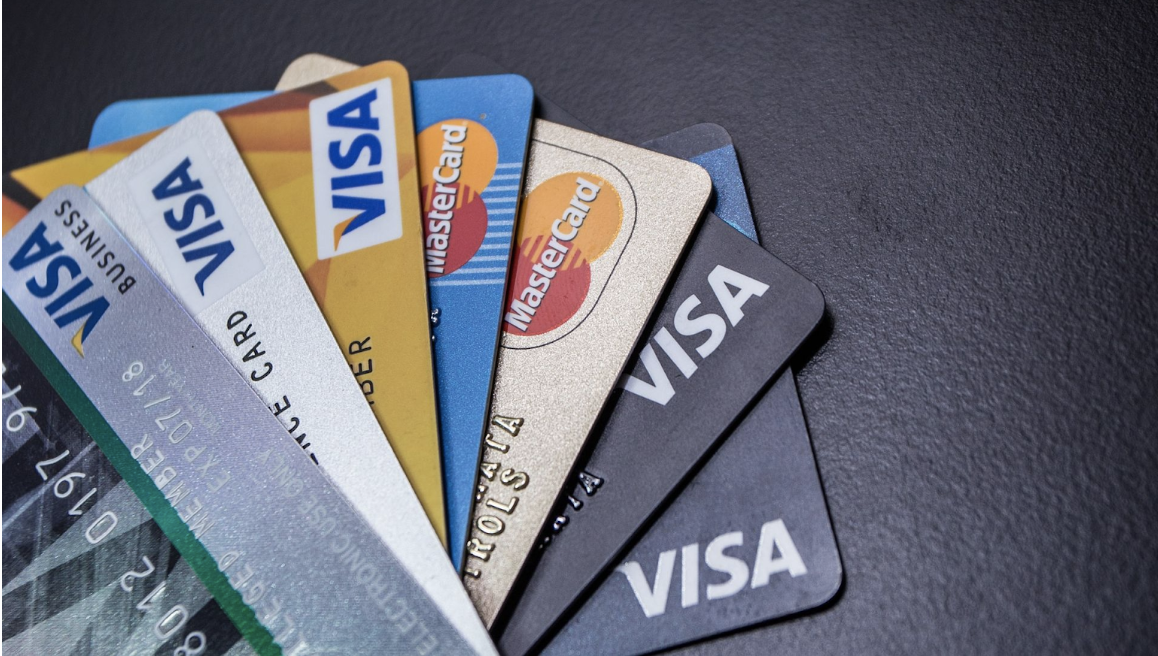
The Increasing Competition for Credit Card Customers in America
The American credit card market is one of the most competitive financial ecosystems in the world, driven by shifting consumer behavior, rising digital adoption, and evolving macroeconomic pressures. With more than 560 million open credit card accounts in the US and nearly 191 million American adults using at least one card, banks are not merely selling financial products — they are competing for long-term financial relationships.
The term “Best Credit Cards in America” has become a dominant search query because consumers are continuously researching the most rewarding, safest, and most affordable cards. This competition is amplified by hundreds of fintech startups, reward-focused challenger banks, AI-driven underwriting tools, and comparison platforms like NerdWallet and Credit Karma.
Banks that understand emerging patterns — FICO scores, APR sensitivity, spending trends, and demographic debt behavior — will win the next era of credit card customer acquisition.
FICO Scores: The Most Powerful Determiner of Eligibility and Engagement
In the US, almost every credit card application begins with a FICO score check. The average national FICO score currently sits at around 715, but score distribution varies significantly across age groups, income brackets, and regions. For banks, segmenting clients based on score tiers is no longer optional — it is the core of modern credit card personalization.
Customers with 740+ scores seek premium features like airport lounge access, concierge services, and international travel perks. On the other hand, individuals in the 670–739 range represent the largest opportunity group for banks — these users have stable credit histories and respond strongly to cash-back and low-fee products.
Consumers with below 650 scores represent a different type of opportunity. They are looking to rebuild credit, manage debt more responsibly, or escape predatory lending cycles. Offering secured cards, credit-builder tools, and soft-pull prequalification gives banks an entry point into this underserved but rapidly growing market.
APR Wars: Why Interest Rate Competition Is Reshaping the Industry
America’s “APR Wars” began intensifying in late 2022 when the Federal Reserve began raising interest rates aggressively. Today, the average credit card APR is above 20%, making it the highest in more than two decades. Consumers are now far more sensitive to interest rates because revolving balances have reached historic highs.
Banks competing in the APR war are not simply lowering rates — they are restructuring products. This includes:
-
Long 0% introductory APR periods (up to 18–21 months on some cards)
-
Balance-transfer incentives targeting debt-heavy millennials
-
Flexible repayment plans that automatically lower APR after consistent on-time payments
-
AI-powered risk-based pricing to offer personalized APR brackets
Newer fintech players have introduced “APR transparency dashboards” that visually show customers how interest affects monthly payments. Banks that fail to simplify interest-related messaging lose the trust of younger demographics.
Millennial Debt Patterns: The Most Important Consumer Trend for Banks
Millennials, now aged 28–43, represent the largest active credit card customer base in America. Despite having higher overall incomes than previous generations, they face unique financial pressures, including:
-
Significant student loan burdens
-
Rising housing costs
-
Increased cost of living
-
Lower home ownership rates
-
Fewer employer-sponsored retirement benefits
These factors force millennials to rely more heavily on credit. Studies show that millennials carry the highest average credit card debt among all generations, and their revolving balances tend to be larger and more persistent.
Banks that understand millennial psychology gain an advantage. Millennials prefer:
-
Cards with transparent terms
-
Cashback rewards that support everyday expenses
-
Mobile-first experiences
-
Real-time notifications and budgeting tools
-
Credit limit flexibility based on income and behavior
Positive reinforcement models — reward boosts, APR reductions after 6–12 months, and instant credit line increases — are highly effective in winning millennial loyalty.
Personalization: The New Engagement Currency for Banks
The era of generic credit card marketing is over. Banks must now use data to personalize:
-
Rewards
-
Interest rates
-
Credit limits
-
Payment reminders
-
Merchant-based cash-back categories
A study from McKinsey indicates that personalization increases conversion rates by 30–35%. AI and machine learning enable banks to predict spending patterns, recommend rewards categories, and even adjust credit limits dynamically.
Digital Onboarding and Mobile-first Engagement
Banks that streamline onboarding win more customers. Key features include:
-
Pre-qualified offers using soft credit pulls
-
Instant digital issuance of virtual cards
-
Identity verification via AI-based KYC
-
No-paper applications
-
Full digital card management apps
The smoother the journey, the lower the abandonment rate.
Content marketing, influencers, and comparison platforms
Consumers now rely heavily on:
-
YouTube card reviews
-
TikTok financial educators
-
Personal finance blogs
-
Affiliate comparison websites
Banks that partner with trusted voices build stronger credibility than those using traditional ads alone.
Final Outlook
The future of credit card acquisition in America will be shaped by behavior-driven analytics, transparent APR strategies, and deep millennial engagement. Banks that invest in personalization, digital innovation, and real-time customer insights will dominate the next decade of consumer finance.