
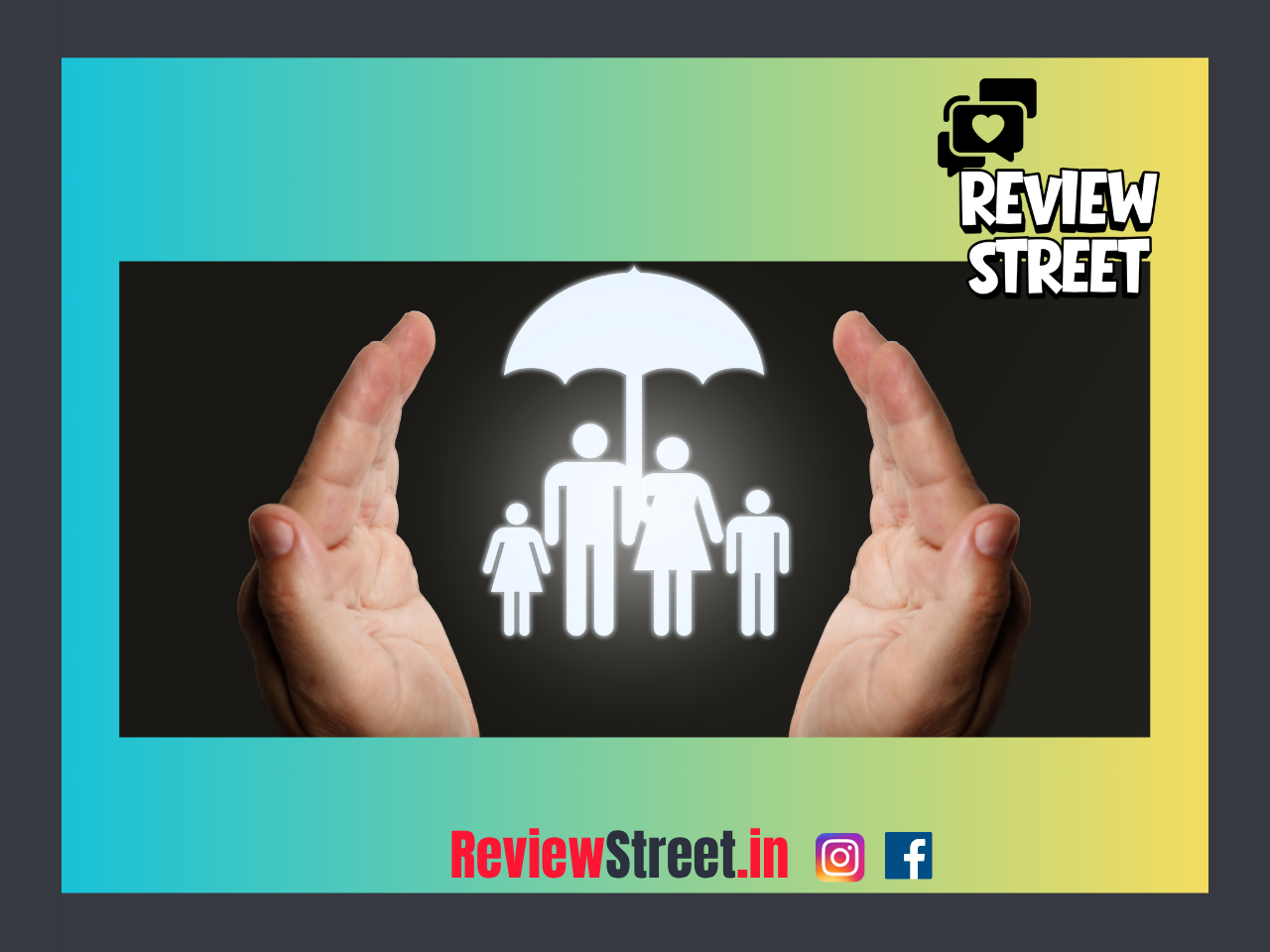
In today’s fast-evolving healthcare ecosystem, rising medical costs have made health insurance not just an option—but a necessity for every family. A single hospitalisation can disrupt years of financial planning. This is where a well-structured family health insurance plan acts as a powerful financial shield.
But with hundreds of policies, complex terms, and varying benefits, choosing the right medical insurance can feel overwhelming. This guide simplifies everything—helping you make a confident, informed decision for your family’s long-term health and financial security.
What is Family Health Insurance?
Family health insurance, often called a family floater plan, covers multiple family members under a single sum insured. Instead of buying separate policies for each member, one consolidated plan ensures broader coverage at a more economical cost.
Typically, such plans cover:
- Hospitalisation expenses
- Pre- and post-hospitalisation costs
- Daycare procedures
- Emergency ambulance charges
- Critical illness coverage (optional)
This structure makes it both cost-efficient and easier to manage.
Why Every Family Needs Health Insurance Today
Healthcare inflation in India has been rising steadily, making even basic treatments expensive. A family health insurance plan ensures:
- Financial protection during medical emergencies
- Access to quality healthcare without delay
- Reduced out-of-pocket expenses
- Long-term security for dependents
Without insurance, even a minor medical event can strain household savings significantly.
Key Factors to Consider Before Choosing a Plan
1. Adequate Sum Insured
The most critical aspect is the coverage amount. Experts recommend at least ₹10 lakh coverage for a family, depending on city, lifestyle, and medical inflation .
If you live in a metro city or have elderly members, consider higher coverage or top-up plans.
2. Coverage and Benefits
Look for comprehensive policies that include:
- Pre and post-hospitalisation expenses
- Diagnostic tests and medicines
- Daycare procedures
- Critical illness coverage
- Maternity benefits (if applicable)
A good plan should cover a wide range of medical needs, not just hospital bills .
3. Network Hospitals & Cashless Facility
Choose insurers with a large network of hospitals offering cashless treatment. This ensures:
- Faster admission
- No upfront payments
- Hassle-free claims
A wider network means better accessibility during emergencies.
4. Waiting Periods
Most policies have waiting periods for:
- Pre-existing diseases
- Specific treatments
- Maternity benefits
Shorter waiting periods are always preferable, especially for families with existing medical conditions.
5. Claim Settlement Ratio
This metric indicates how efficiently claims are processed. A higher ratio reflects:
- Better reliability
- Faster claim approvals
Experts suggest choosing insurers with a strong claim settlement record above industry averages .
6. Sub-limits and Co-pay Clauses
Some policies restrict:
- Room rent
- Treatment costs
- Specific procedures
Always read the fine print to avoid surprises during claims. Hidden limits can significantly reduce actual coverage.
7. Add-on Benefits and Riders
Modern plans offer additional benefits such as:
- Critical illness cover
- Personal accident cover
- Mental health support
- Wellness programs
These enhancements provide holistic healthcare coverage.
8. Lifetime Renewability
A policy should ideally offer lifetime renewability. This ensures:
- Continuous coverage in old age
- No need to switch policies later
Healthcare needs increase with age—this feature is non-negotiable.
Family Floater vs Individual Plans
| Feature | Family Floater | Individual Plan |
|---|---|---|
| Coverage | Shared among members | Separate for each |
| Cost | More economical | Higher overall cost |
| Best for | Young families | Senior citizens or high-risk individuals |
For most households, a family floater is a practical and cost-effective starting point.
Common Mistakes to Avoid
- Choosing plans based only on low premium
- Ignoring policy exclusions
- Not disclosing pre-existing conditions
- Underestimating required coverage
- Overlooking claim process details
A low-cost policy with poor benefits can be more expensive in the long run.
Smart Tips for First-Time Buyers
- Buy early to lock in lower premiums
- Opt for higher coverage with top-up options
- Compare multiple plans before deciding
- Review policy annually based on family needs
- Don’t rely solely on employer-provided insurance
Starting early ensures better coverage and fewer restrictions later.
The Role of Preventive Healthcare
Modern health insurance is evolving beyond treatment. Many plans now include:
- Annual health check-ups
- Wellness incentives
- Mental health coverage
This shift promotes preventive healthcare, helping families stay healthier and reduce long-term costs.
Future of Health Insurance in India
With digitisation and policy reforms, health insurance is becoming:
- More transparent
- Customisable
- Accessible through digital platforms
AI-driven claim processing and telemedicine integration are further improving customer experience.
Conclusion
Choosing the right family health insurance plan is not just a financial decision—it’s a commitment to your family’s well-being. The ideal policy strikes a balance between comprehensive coverage, affordability, and reliability.
Instead of chasing the cheapest option, focus on long-term value. A well-chosen plan ensures that when life throws unexpected challenges, your family remains protected—both medically and financially.