

How OTT Technology Is Redefining the Viewing Experience in 2026
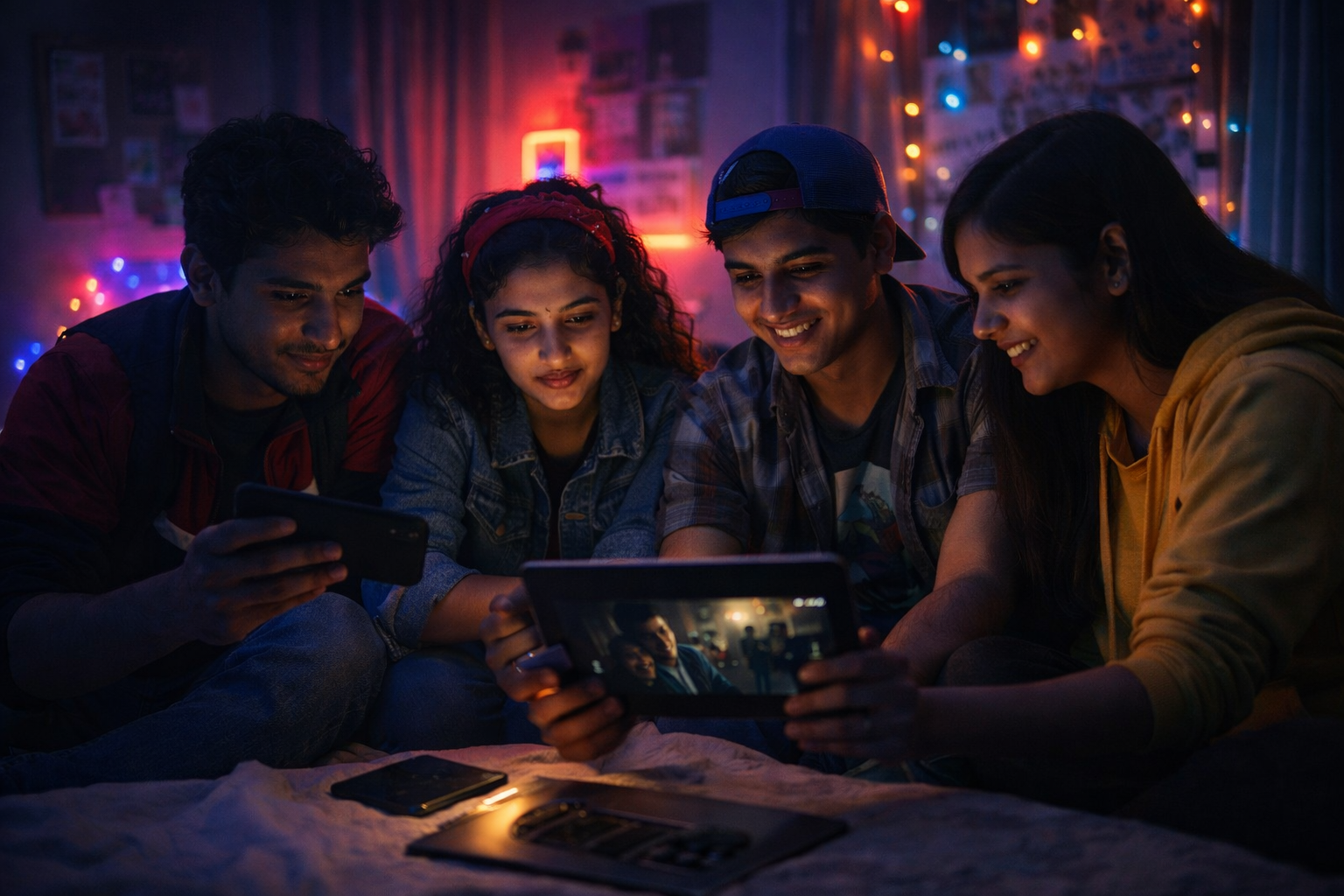
One of the biggest reasons OTT web series are commanding unprecedented attention in January 2026 is the technological leap in streaming quality and device compatibility. Viewers today are not just choosing what to watch, but how to watch—on smart TVs with Dolby Vision, smartphones with HDR10+, tablets with adaptive brightness, and soundbars tuned for cinematic immersion.
For ReviewStreet readers, this shift is crucial. OTT platforms are now optimizing content based on:
-
Screen size and resolution
-
Network bandwidth
-
Device-level AI upscaling
-
Audio output preferences
This is why series like Stranger Things continue to outperform others—they are engineered for high-fidelity storytelling, not just narrative appeal.
Why Some Series Look Better Than Others on Smart TVs
Not all OTT series deliver the same visual experience, even on premium displays. The difference lies in cinematography choices, colour grading, and compression standards used during post-production.
For instance, Stranger Things uses:
-
Controlled low-light cinematography
-
Neon-accented colour palettes
-
Deep blacks and contrast layering
These elements make it ideal for OLED and QLED screens. In contrast, shows like Panchayat rely on natural lighting and softer tones, which perform exceptionally well even on mid-range LED TVs and mobile devices.
This balance between technical excellence and accessibility explains why both global and Indian shows can trend simultaneously across different audience segments.
Audio Design: The Underrated Game-Changer in OTT Series
In 2026, audio has become as important as visuals—especially for binge-watchers using soundbars, headphones, and true wireless earbuds. Many viewers underestimate how sound mixing and spatial audio influence engagement.
Series like The Night Agent stand out due to:
-
Crisp dialogue separation
-
Low-frequency tension cues
-
Directional sound design
These elements heighten suspense, making even dialogue-heavy scenes immersive. This is particularly noticeable when watching on Dolby Atmos-enabled setups, where environmental sounds subtly guide viewer attention.
The Rise of “Binge Engineering” in OTT Storytelling
OTT platforms are no longer leaving binge behaviour to chance. Many January 2026 hits are carefully structured using what industry insiders call binge engineering—a mix of pacing, episode length, and cliffhanger placement.
Shows like Squid Game exemplify this approach:
-
Shorter, tightly edited episodes
-
Visual hooks in the first 3 minutes
-
Emotional peaks just before episode endings
From a ReviewStreet perspective, this is not accidental storytelling—it is data-informed content design, optimized for completion rates and rewatch value.
Why Writing Quality Still Beats Visual Spectacle
Despite advancements in VFX and AI-assisted production, January 2026 also proves that strong writing remains the backbone of successful OTT series.
Panchayat is a prime example. It lacks:
-
Heavy VFX
-
High-budget action
-
Stylised visuals
Yet it consistently ranks high in watch-time metrics. Why? Because:
-
Dialogues feel authentic
-
Characters evolve naturally
-
Emotional pacing feels organic
For viewers watching on mobile devices or lower bandwidth connections, such writing-driven series offer a superior experience without technical compromise.
Mobile-First Viewing: The Silent Majority
While smart TVs dominate discussions, a significant portion of India’s OTT consumption still happens on smartphones. This has influenced how series are shot and edited in 2026.
Modern OTT series increasingly:
-
Avoid excessively dark frames
-
Use tighter close-ups
-
Maintain legible visuals on smaller screens
Shows like The Bear excel here. Its handheld cinematography and intimate framing make it just as effective on a phone as on a television—an important factor for India’s mobile-first audience.
Streaming Stability and Platform Performance Matter More Than Ever
From a tech review standpoint, viewer satisfaction today is heavily influenced by:
-
Buffering speed
-
Adaptive bitrate switching
-
App responsiveness
Netflix and Amazon Prime Video currently lead in streaming stability, which partly explains why their flagship series dominate January 2026 charts.
A technically strong series loses impact if:
-
Audio lags behind video
-
Resolution drops during key scenes
-
Apps crash mid-episode
This is where platform engineering quietly shapes content popularity—an angle often overlooked in entertainment coverage.
ReviewStreet Verdict: OTT in 2026 Is a Full-Stack Experience
January 2026 confirms that OTT success is no longer driven by story alone. It is the result of a full-stack entertainment experience, where:
-
Writing meets data
-
Cinematography meets device optimisation
-
Sound design meets personal audio ecosystems
-
Storytelling meets platform stability
For viewers, this means better immersion. For platforms, it means higher retention. And for creators, it means storytelling must now coexist with technology—not compete against it.